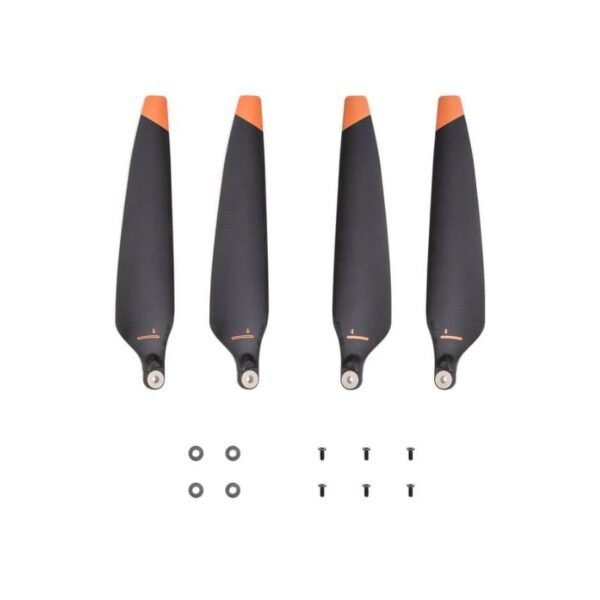
Propellers
Keep your drone flying smoothly and steadily with high-performance propellers—designed for optimal balance, quieter flights, and responsive control in every takeoff, landing, and mid-air maneuver.
-
Sale!
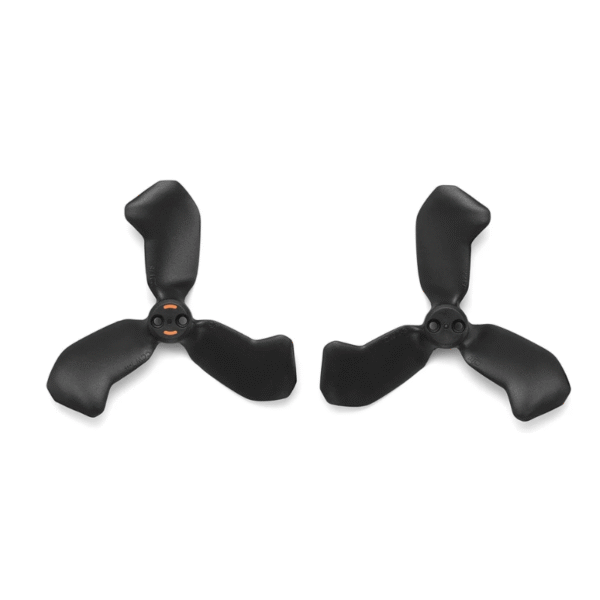
DJI Neo 2 Propellers
₹7,499.00Original price was: ₹7,499.00.₹4,499.00Current price is: ₹4,499.00. inc. GstIn stock
-
Sale!
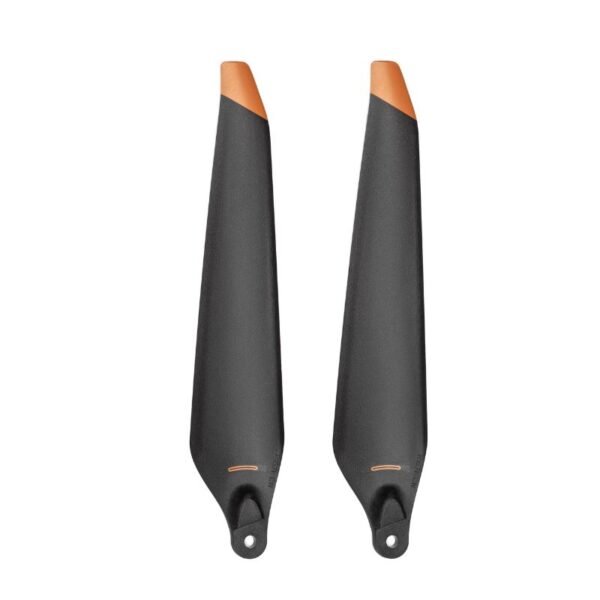
Matrice 30 Series 1671 Propellers
₹20,900.00Original price was: ₹20,900.00.₹18,000.00Current price is: ₹18,000.00. inc. GstIn stock
-
Sale!

Matrice 30 Series 1676 High-altitude Propellers
₹19,900.00Original price was: ₹19,900.00.₹15,000.00Current price is: ₹15,000.00. inc. GstIn stock
-
Sale!
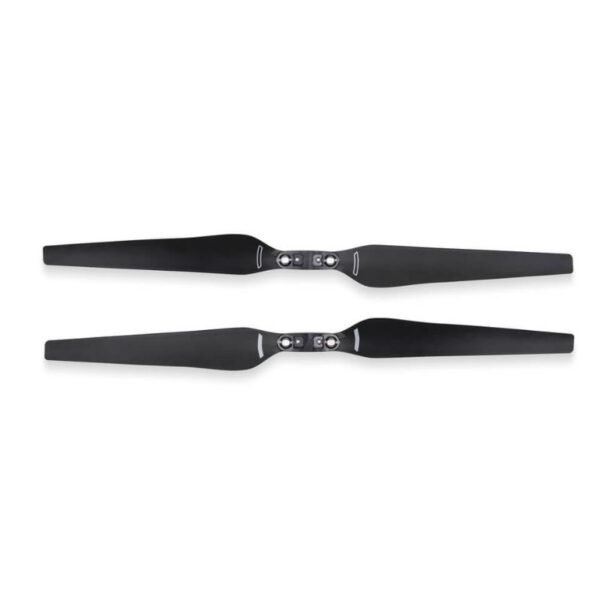
Matrice 300 Series 2195 High Altitude Low Noise Propeller
₹22,900.00Original price was: ₹22,900.00.₹19,500.00Current price is: ₹19,500.00. inc. GstIn stock
-
Sale!
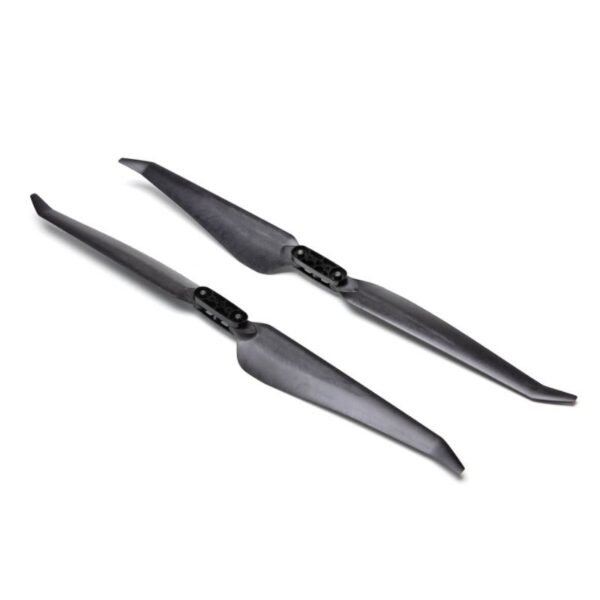
Matrice 300 Series 2110 Propeller
₹20,000.00Original price was: ₹20,000.00.₹17,000.00Current price is: ₹17,000.00. inc. GstIn stock
-
Sale!
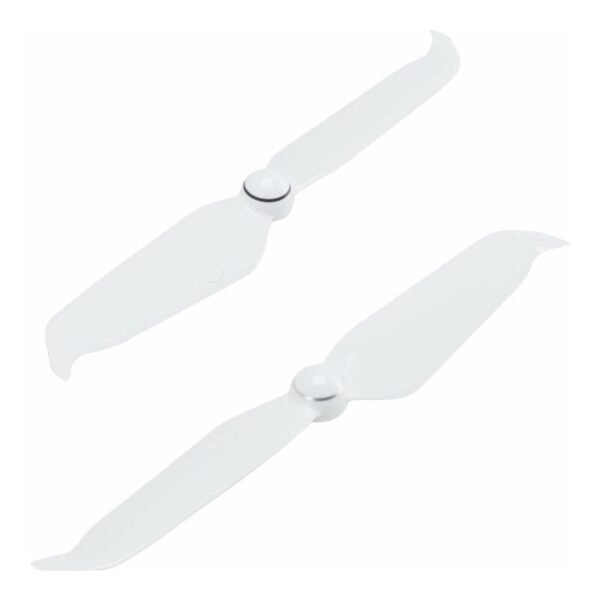
Phantom 4 Series Low-Noise Propellers
₹5,000.00Original price was: ₹5,000.00.₹3,999.00Current price is: ₹3,999.00. inc. GstIn stock
-
Sale!
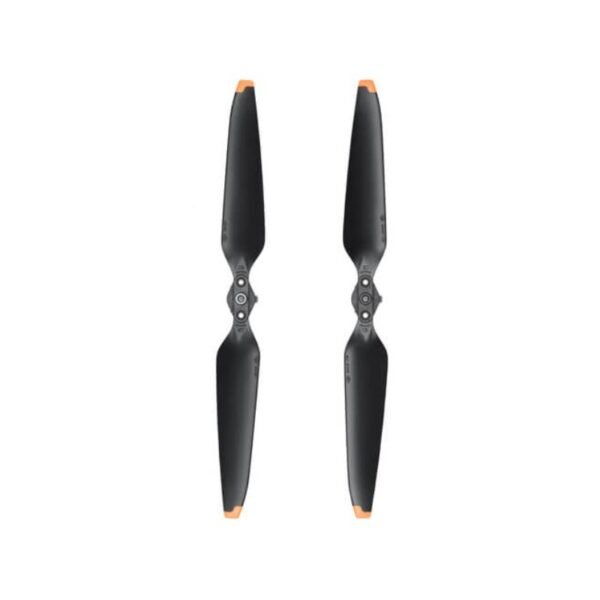
DJI Mavic 3 Series Low-Noise Propellers
₹10,499.00Original price was: ₹10,499.00.₹7,499.00Current price is: ₹7,499.00. inc. GstIn stock
-
Sale!
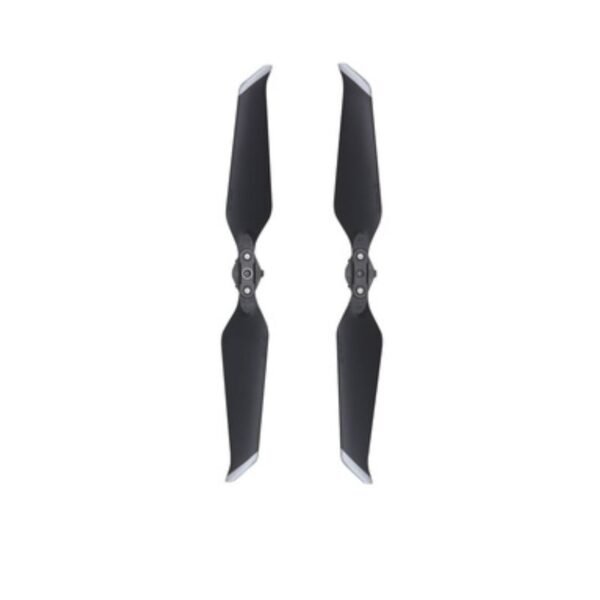
Mavic 2 Low-Noise Propellers
₹5,999.00Original price was: ₹5,999.00.₹2,999.00Current price is: ₹2,999.00. inc. GstIn stock
-
Sale!
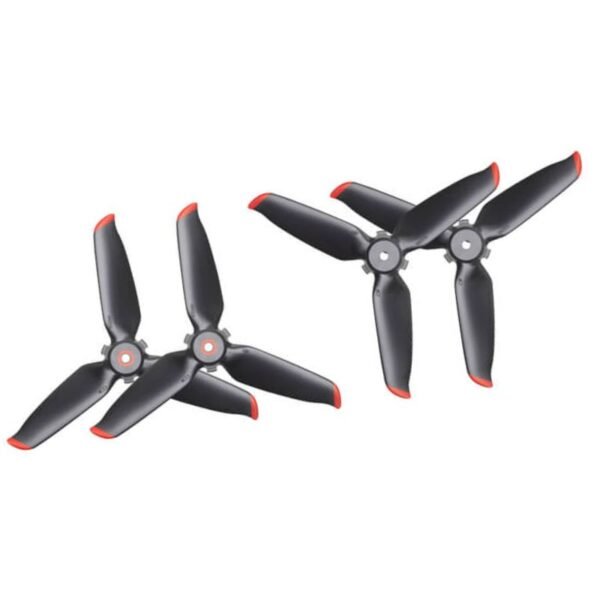
DJI FPV Propellers
₹7,499.00Original price was: ₹7,499.00.₹4,499.00Current price is: ₹4,499.00. inc. GstIn stock
-
Sale!
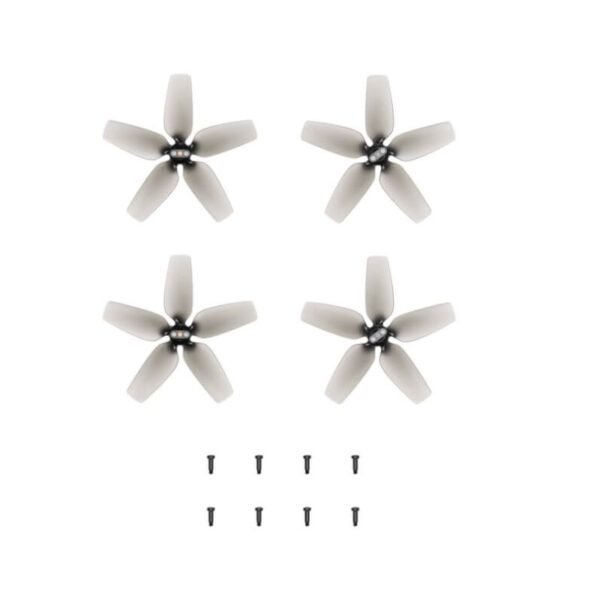
DJI Avata Propellers
₹7,499.00Original price was: ₹7,499.00.₹4,499.00Current price is: ₹4,499.00. inc. GstIn stock
-
Sale!
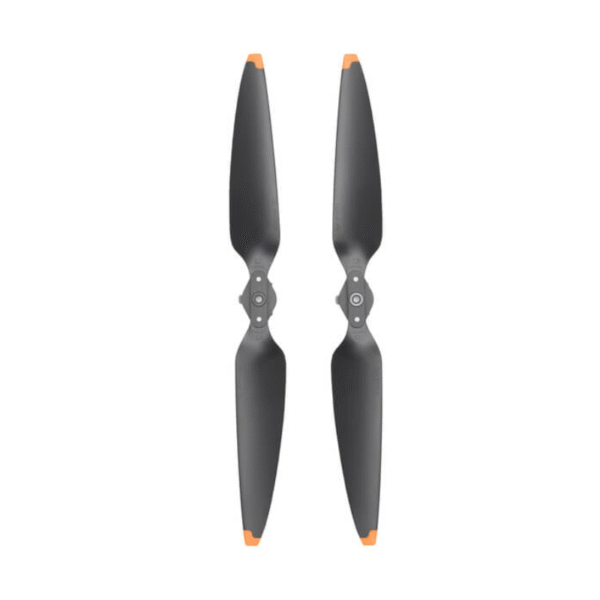
DJI Air 3 Low-Noise Propellers
₹7,400.00Original price was: ₹7,400.00.₹5,000.00Current price is: ₹5,000.00. inc. GstIn stock
-
Sale!
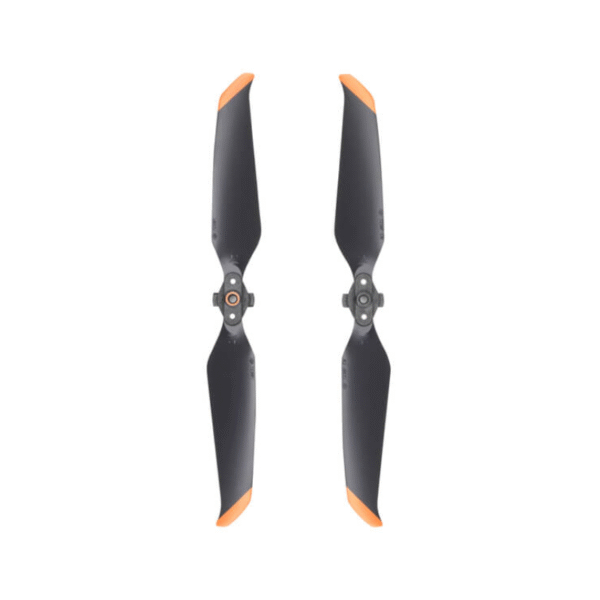
DJI Air 2S Low-Noise Propellers
₹4,000.00Original price was: ₹4,000.00.₹2,000.00Current price is: ₹2,000.00. inc. GstIn stock
-
Sale!
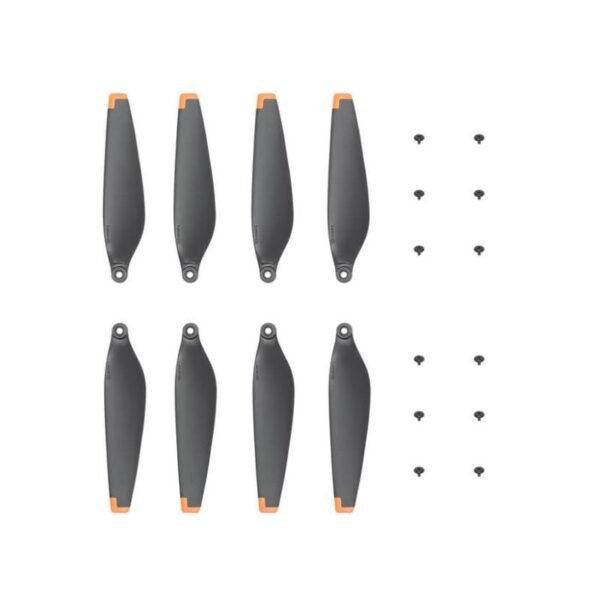
DJI Mini 4 Pro/Mini 3 Pro Propellers
₹4,000.00Original price was: ₹4,000.00.₹3,000.00Current price is: ₹3,000.00. inc. GstIn stock
-
Sale!
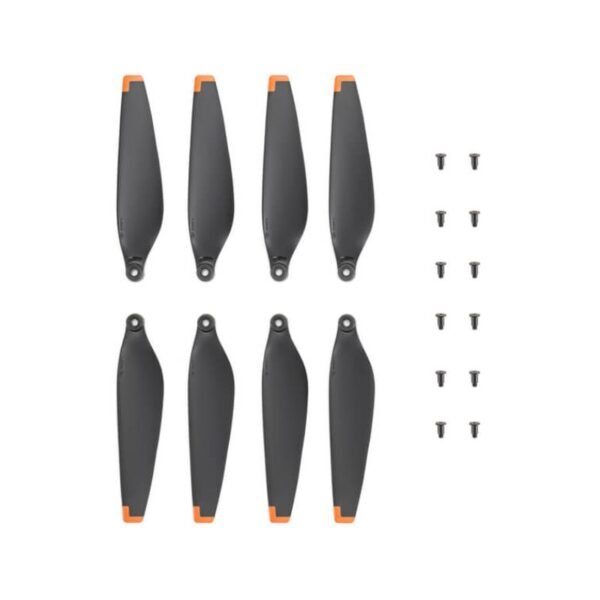
DJI Mini 3 Propellers
₹5,900.00Original price was: ₹5,900.00.₹4,000.00Current price is: ₹4,000.00. inc. GstIn stock
-
Sale!
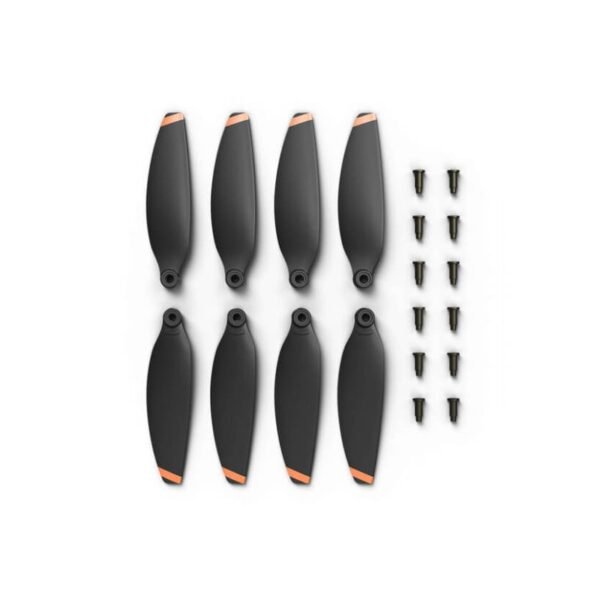
DJI Mini 2 Propellers
₹5,499.00Original price was: ₹5,499.00.₹2,499.00Current price is: ₹2,499.00. inc. GstIn stock
-
Sale!
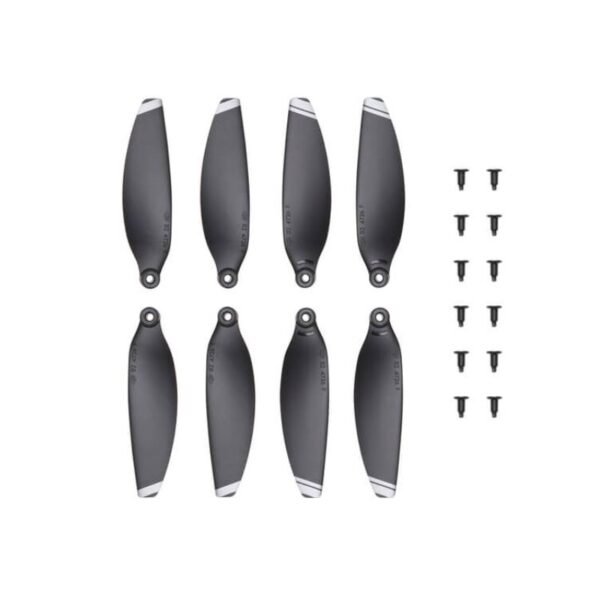
Mavic Mini Propellers
₹5,499.00Original price was: ₹5,499.00.₹2,499.00Current price is: ₹2,499.00. inc. GstIn stock
Drone Propellers
Browse our selection of exceptional drone propellers made for performance, reliability, and quiet operation. At Sumitra Enterprises, we offer a variety of quality propellers for popular drone brands like DJI, Autel, Parrot, and FPV racing drones. Whether you’re replacing broken blades, upgrading to a better lift propeller, or building a custom quadcopter, our propellers deliver disadvantaged flight times or stability, or quiet flights.
Ultra-quiet stealth propellers to highly thrust carbon-fiber props, we offer a propeller just for your drone that’s optimized for aerial photography, racing, or heavy lifting tasks.
What Are Drone Propellers?
Propellers (or props) are the rotating blades that create lift and thrust so your drone can fly. Each propeller works in pairs (2 spin clockwise (CW) and 2 spin counterclockwise (CCW)), to balance torque and stabilize the flight. Modern propellers can be made of tough but lightweight materials, like nylon, ABS, or carbon fiber, and manufacturers design them for:
- Maximum operating efficiency
- Minimum vibration
- Rapid response times
- Reduced noise
Because of their attributes, a damaged or mismatched propeller could cause wobbles or crashes, or reduce flight time. It is always best to use OEM or certified replacements to ensure safety and performance.
Why Upgrading or Changing Your Drone Props is Essential!
Even a minuscule feathering can result in an imbalance. This is why brand-new, high-quality props are essential!
- Improved Stability in Flight: Balanced props will result in a decrease jello effect in your videos
- Longer Flight Times: Good blade geometry means efficient power draw
- Lower Volume: Low-noise props for discreet filming
- Increased Response: Ideal for FPV racing or sharp maneuvers
- Safety: Prevent mid-air failures that could happen due to worn or cracked props!
Pro Tip: Always keep spare parts, especially on long shoots or out remote locations!
Reasons to Select Propellers from Sumitra Enterprises:
- Perfect Compatibility: Manufactured to exact OEM specifications for DJI Mavic, Mini, Air, Phantom, FPV, Avata, and many more.
- High-grade Materials: Reinforced nylon, carbon fiber, and quick-release prototypes.
- Low Noise Versions: Stealth props reduce sound by up to 60% compared to standard props.
- Bulk Options Available: Buy more, save more with kits available in 4, 8, or even 16 pieces!
Fast Shipping to Anywhere in India: Ships from Delhi same day.
How to Put Drone Propellers on
- Power Off Drone – Battery always gets removed first.
- Match CW / CCW – Ensure that the prop and motor meet the CW / CCW markings.
- Push & Twist (or Screw) – For quick release: push down completely and twist until locked. For threaded propped: screw in the direction of the arrow.
- Double Check the Lock – Gently tugging on the prop will ensure a proper fit.
- Test Hover – Will do a 10-second low hover to confirm a balanced flight.
Warning: Never mix old props with new props on the same drone.
Faq`s
What size propeller (diameter and pitch) would be best for thrust when flying the DJI Mini series drones?
For the DJI Mini 2/3, using 4.5" props with a 1.6" pitch should yield balanced thrust (up to 200g per prop) and efficiency, meaning decreased strain on the motor while hovering. The larger the pitch (say, 2.0), the faster your drone will fly, but it will also consume about 15-20% more power—see DJI's specs for your firmware version to verify.
What do CW and CCW propellers do, and why did they need to be used as pairs?
CW propellers rotate to the right for the rear-left and front-right motors, while CCW propellers rotate to the left for the rear-right and front-left motors. The propeller rotation contributes to counter-torque currently for yaw stabilization. If you mix pairs of CW and CCW, you will have vibration, and you will lose efficiency of up to 30%. You can use pairs of 2 CW + 2 CCW on a drone, and make sure you have the rotations proper.
What are the material properties that qualify carbon fiber propellers to be superior to other types of propellers for racing drones?
Carbon fiber constructions have about a 40% higher stiffness-to-weight ratio than plastic, allowing for about 10-15% greater RPM (up to 20,000) without flex, meaning latency issues in FPV racing are greatly reduced versus plastic propellers. Carbon fiber is also able to endure better impacts than plastic, between 5-10g more, but is brittle for low-speed impacts/mishaps; and is preferred for quick and aggressive fly styles on products like the DJI FPV drone.
What effect does propeller pitch angle have on drone battery life and top speed?
Higher pitch angles (4° - 6°) increase forward thrust to allow 20-30% higher top speeds (up to 70 km/h) but draw an increased current by 25%, resulting in a flight duration reduction of 5-10 minutes. Low pitch angles (2° - 3°) will allow you to drive the drone more efficiently, optimized for endurance, and use a wattmeter to quantify in your system.
What thrust-to-weight ratio should I target when selecting propellers for payload drones?
I would target a thrust-to-weight ratio of 2:1 to 3:1 thrust, using Mavic Air with 5-6 inch props, this could be 1.5 kg total thrust to carry a 500 g drone payload. You will calculate thrust according to T = (RPM² × Pitch × Diameter ⁴ × Air Density)/Constant; low KV motors will match best with larger props and lower pitch, providing quality lifts whilst not overheating.
How do I reduce my propeller noise and vibration for better cinematic footage with my drone?
You should use balanced low-pitch plastic or TPU three-blade propellers at a 70-80% throttle rpm. With this, you will produce better airflow over the propellers, resulting in lower noise from 5-10 dB quieter, just like using 3-blade props. Dynamic balance is important. If you rebalance with a propeller tool after every install, you can mitigate +/- 50% of vibrations and bushes from the fuzz being transferred to the gimbal, causing "jello." You should also recalibrate your IMU after swapping propeller configurations.
What are the torque specifications I need to tighten propeller nuts onto a DJI Drone?
You want to apply torque within the range of 0.4-0.6 Nm using a hex driver; otherwise, there is a risk of stripping threads or overstressing or not stressing the hub for proper tension. Over torque (+ 0.8 Nm) can crack hubs, and it's always a good idea to use thread lock (e.g., Loctite) too.