A Comprehensive Guide to Modern Drone Technology
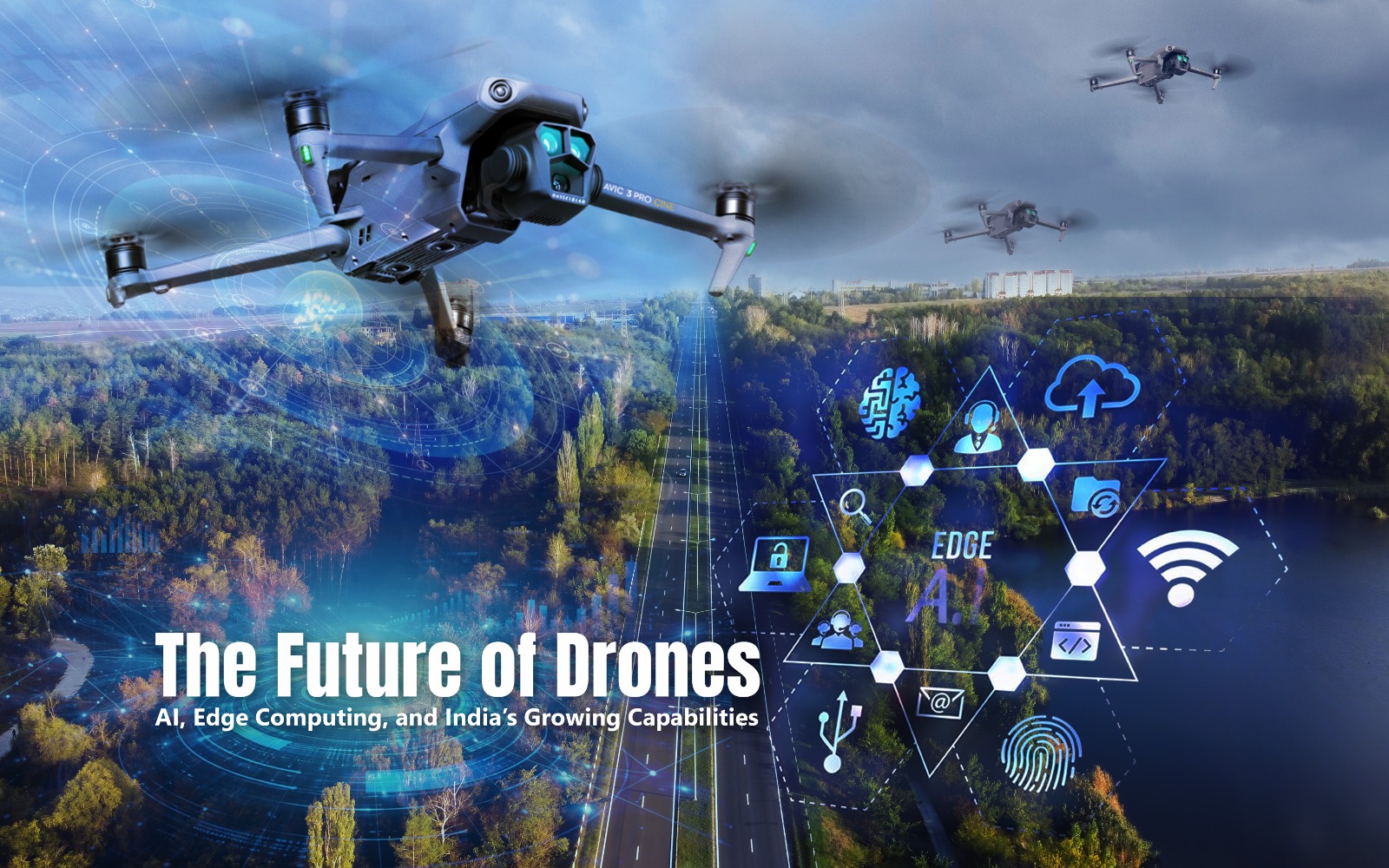
Drones have evolved from simple remote-controlled aircraft to sophisticated autonomous systems powered by artificial intelligence. Whether we’re talking about commercial applications, defense, or surveillance, AI drones are transforming industries at an unprecedented pace. This comprehensive guide explores drone technology, India’s drone capabilities, and how companies like VVDN are revolutionizing the sector through AI-powered solutions.
A drone strike refers to an attack carried out by an unmanned aerial vehicle (drone) against a specific target. These operations are typically conducted by military forces and involve precision targeting to neutralize threats, eliminate high-value targets, or conduct surveillance missions.
Remote Operation: Pilots operate from control stations thousands of miles away
Precision Targeting: Advanced sensors and AI enable accurate target identification
Reduced Collateral Damage: Compared to conventional aircraft, drones can be more precise
Lower Risk to Personnel: Operators remain safely away from hostile zones
Drone strikes are a critical component of modern military strategy, especially in counter-terrorism and border security operations.
A drone attack is a broader term that encompasses any offensive action using unmanned aerial systems. Unlike strikes (which are singular operations), attacks can include:
Coordinated Multi-Drone Operations: Multiple drones working in tandem
Swarm Attacks: Groups of drones overwhelming defenses
Sustained Campaigns: Repeated attacks over time
Defensive Countermeasures: Drones protecting infrastructure or assets
AI-enabled target recognition and tracking
Real-time communication between drone networks
Autonomous decision-making in contested environments
Integration with ground and air defense systems
Countries worldwide are investing heavily in drone attack capabilities, making it a critical area of defense innovation.
India has been rapidly expanding its drone capabilities to strengthen its defense infrastructure and surveillance networks. According to recent assessments:
India operates multiple variants of Tactical UAVs (Unmanned Aerial Vehicles)
The Rustom series represents India’s indigenous medium-altitude long-endurance (MALE) UAV program
SWITCH (Swarm of Micro Aerial Vehicles) project for swarm drone applications
Lakshya target drones for training and practice operations
India currently has several hundred operational military drones
The Indian government is investing in indigenous drone manufacturing to reduce import dependency
Civil/commercial drone registrations have grown exponentially (10,000+ registered drones)
Defense budget allocations increasingly favor drone procurement and development
India aims to become self-reliant in drone technology, with a target to develop indigenous solutions for surveillance, reconnaissance, and armed applications by 2030.
AI drones represent a paradigm shift in unmanned systems. By integrating artificial intelligence, these platforms achieve unprecedented capabilities and autonomous operation.
Real-time threat detection without human intervention
Adaptive flight paths based on environmental conditions
Intelligent target tracking and recognition
Optimized flight paths reducing fuel consumption
Predictive maintenance using machine learning
Automated mission planning
Obstacle avoidance and collision prevention
Autonomous landing in emergency situations
Self-diagnostics for system health monitoring
Computer vision for real-time image analysis
Automatic anomaly detection in surveillance footage
Integration of multiple sensor data streams
Defense: Autonomous reconnaissance and counter-drone operations
Agriculture: Crop monitoring and precision spraying
Disaster Management: Search and rescue in inaccessible areas
Infrastructure Inspection: Bridge, power line, and pipeline monitoring
Logistics: Autonomous delivery systems
VVDN Technologies has emerged as a key player in developing intelligent drone solutions through innovative hardware and software integration.
Deploying AI algorithms directly on drone hardware
Reducing latency in real-time decision making
Minimizing bandwidth requirements for remote operations
Custom machine learning models optimized for drone processors
Computer vision systems for autonomous navigation
Real-time sensor fusion and data processing
Hardware design and optimization
Firmware development
AI model training and deployment
Collaborating with defense agencies
Working with commercial drone manufacturers
Supporting startups in the drone ecosystem
Processors: ARM-based and specialty AI accelerators
Software: Custom Linux distributions and RTOS
AI Frameworks: TensorFlow, PyTorch optimization for embedded systems
Integration Services: Full-stack solutions from concept to deployment
VVDN’s expertise in embedded systems and AI has positioned them as a crucial technology enabler for India’s drone industry, particularly in developing indigenous autonomous capabilities.
Edge AI refers to running artificial intelligence algorithms on edge devices (like drones) rather than sending data to cloud servers for processing. This is fundamental to modern drone operations.
Immediate threat detection and response
No dependency on communication latency
Critical for autonomous operations in GPS-denied environments
Drones operate with limited bandwidth
Processing locally reduces data transmission needs
Cost-effective for large-scale drone deployments
Sensitive data remains on-device
Reduced vulnerability to interception
Compliance with data sovereignty requirements
Drones continue operations even with connectivity loss
Reduced reliance on central command systems
Enhanced autonomy in contested environments
Power Constraints: Limited battery capacity for AI computations
Hardware Limitations: Smaller form factors with less processing power
Model Optimization: AI models must be lightweight yet effective
Thermal Management: Cooling systems for continuous AI processing
Quantization and pruning of neural networks
Custom hardware accelerators (TPUs, specialized AI chips)
Energy-efficient algorithms
Thermal management systems
The combination of AI drones, edge computing, and companies like VVDN creating intelligent solutions is reshaping defense, commercial, and civilian drone applications:
India recognizes drones as a critical technology for:
National Security: Strengthening defense capabilities
Economic Growth: Creating new industries and job opportunities
Technological Independence: Reducing reliance on foreign technology
Innovation Ecosystem: Supporting startups and research institutions
With initiatives like the Drone Rules 2021, India is creating a regulatory framework that balances innovation with safety, positioning the country as a global drone hub.
The drone industry stands at an inflection point where AI, edge computing, and indigenous innovation converge. From understanding what is a drone strike and what is a drone attack to recognizing India’s growing capabilities and the role of companies like VVDN, it’s clear that AI drones powered by edge AI technology are the future.
As India expands its drone fleet and invests in domestic manufacturing, the integration of advanced AI and edge computing solutions will be crucial. Organizations like VVDN are enabling this transformation by providing the technological backbone necessary for India to build world-class, indigenous drone solutions.
The next decade will see drones become as ubiquitous as mobile phones, with AI-powered autonomous systems becoming the norm rather than the exception.